What virtual fitness classes can employees join?
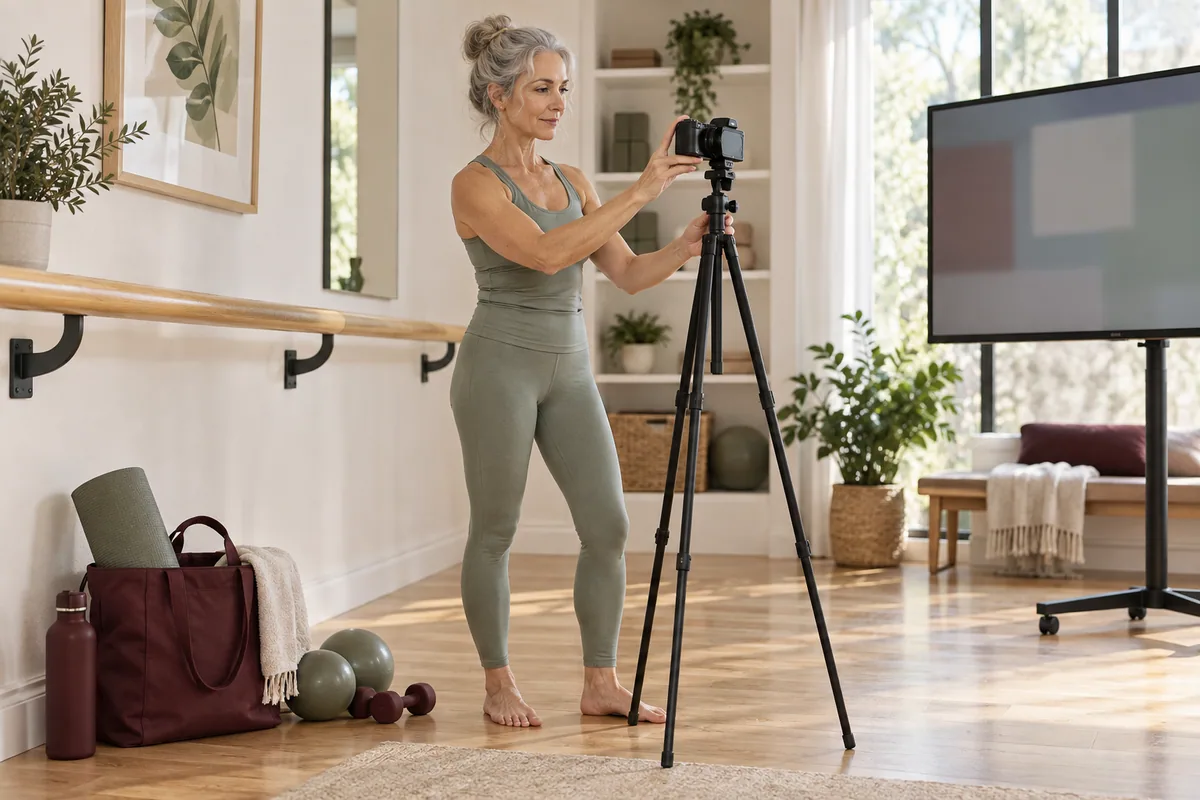
In a large broadcast, an instructor may not be able to observe every participant. In a small coached group, camera placement and group size affect what the instructor can see. Ask the provider to describe the actual feedback available rather than assuming every live session is individually coached.
| Format | Good planning question | What to confirm |
|---|---|---|
| Short movement break | Can this fit an authorized workday pause? | Length, space, participation options and how the meeting resumes. |
| 30-minute class | Can employees make time and prepare a suitable space? | Effort, equipment, progression and instructor attention. |
| Small coached group | Is observation and feedback important? | Capacity, camera expectations and instructor continuity. |
| On-demand activity | Do schedules make shared attendance difficult? | Content suitability, access and whether any live support exists. |
Make joining instructions concrete
List the device, joining link, start time and time zone, clothing, equipment and clear space needed. Explain whether a chair or other support must be stable. 'At your desk' should not imply that every desk, wheeled chair or crowded room is appropriate.
State whether employees may keep cameras off and what that means for feedback. If recordings exist, explain who can access them and whether participants are visible. Check captions and alternatives before promising them.
Can employees fit a workout into a lunch break?
Yes, if the complete arrangement fits the break they actually have. Count setup, changing if needed, the class, any cleanup and time to eat. A 30-minute workout does not automatically fit a 30-minute lunch window. For a short pause in work clothes, compare a movement break rather than relabeling a full class.
Ask employees about usable windows and check your own workplace’s participation rules. Offer a practical alternative for shifts or locations that cannot attend; do not assume one midday slot serves a remote team.
Can a barre workshop be a team-building event?
It can be an optional shared activity, but a workout alone does not demonstrate improved teamwork. Define whether the event is an introduction to movement, a recurring class trial or a facilitated social session. If conversation matters, ask how it is included rather than assuming people can chat during instruction.
Explain what participation involves, including cameras and clothing, and provide a way to decline or choose another activity. Evaluate whether people could join comfortably and found the format useful, without turning attendance into a test of team commitment.
What do virtual employee fitness classes cost per hour?
There is no single rate that describes every service. Request a quote for the actual session length, frequency, group limit and delivery arrangement. A one-hour workshop, two separate 30-minute classes and a 30-minute broadcast are different scopes even if someone presents an hourly equivalent.
Compare setup and coordination, access support, cancellation terms, minimum order and any admin fee. For example, Wellable’s published services pricing distinguishes per-session fitness fees from a booking minimum; Strive describes service charges plus an administration fee. These are provider descriptions checked October 16, 2026, not equivalent quotes. BarreWorkout organization fees remain subject to a custom proposal; consumer introductory class prices are not employee rates.
Plan for a mixed workforce
Ask about working windows rather than choosing a single time based on the organizer’s location. Include people who cannot join a standing activity or who have no private space. A fair alternative may be more useful than trying to make one class suit every circumstance.
BarreWorkout is developing employer options and collecting preferences for short breaks, 30-minute barre and coached groups. Corporate scheduling, capacity, technology and pricing will be confirmed before any booking. Registering interest does not reserve a place.
Rehearse the session before inviting the whole team
Ask a planner at home and another in the office to join from their actual devices. Check sign-in, audio, screen size, captions if agreed, and whether a company firewall blocks the meeting. A successful test on the vendor’s laptop does not answer those questions.
- Name the workplace host and provider contact.
- Agree what happens if sound or connection fails; the host should not improvise instruction.
- Record unresolved issues, an owner and a deadline before announcing a date.
Check what two-way instruction really means
Ask whether participants can hear and see the instructor and whether the instructor can adequately observe each participant. An open camera is not the same as useful feedback. Group size, room layout, connectivity and how individual adjustments are handled should all be agreed before calling a session coached.
Sources and scope
General information for employer planning. Provider descriptions are their own published offerings, not independent performance ratings. No named medical review or product test is implied.
- Wellable wellness services — Vendor first-party offer
- Strive onsite and virtual corporate wellness — Vendor first-party offer
- USPS: virtual fitness classes for employees — Employer example, 2024
- Wellable: wellness services pricing — Vendor first-party pricing
Planning for a different setting?
Make the next decision
- Barre for Office Workers: What Fits a Workday Session? →
- Employee Fitness Classes: Barre, Yoga or Pilates? →
- Wellness for Remote & Hybrid Teams: Activities That Fit the Workday →
- Inclusive Workplace Wellness: Design for Real Participation →
- Corporate Wellness Program Costs: Compare Quotes Fairly →
- Corporate wellness →
- How to Start a Corporate Wellness Program: A Pilot Plan →
- Employee Wellness Privacy: Questions to Ask Before a Pilot →
Considering movement for your team?
Tell us the formats and times you would like. Corporate availability and pricing are in planning; submitting interest makes no booking.
Register employer interest →