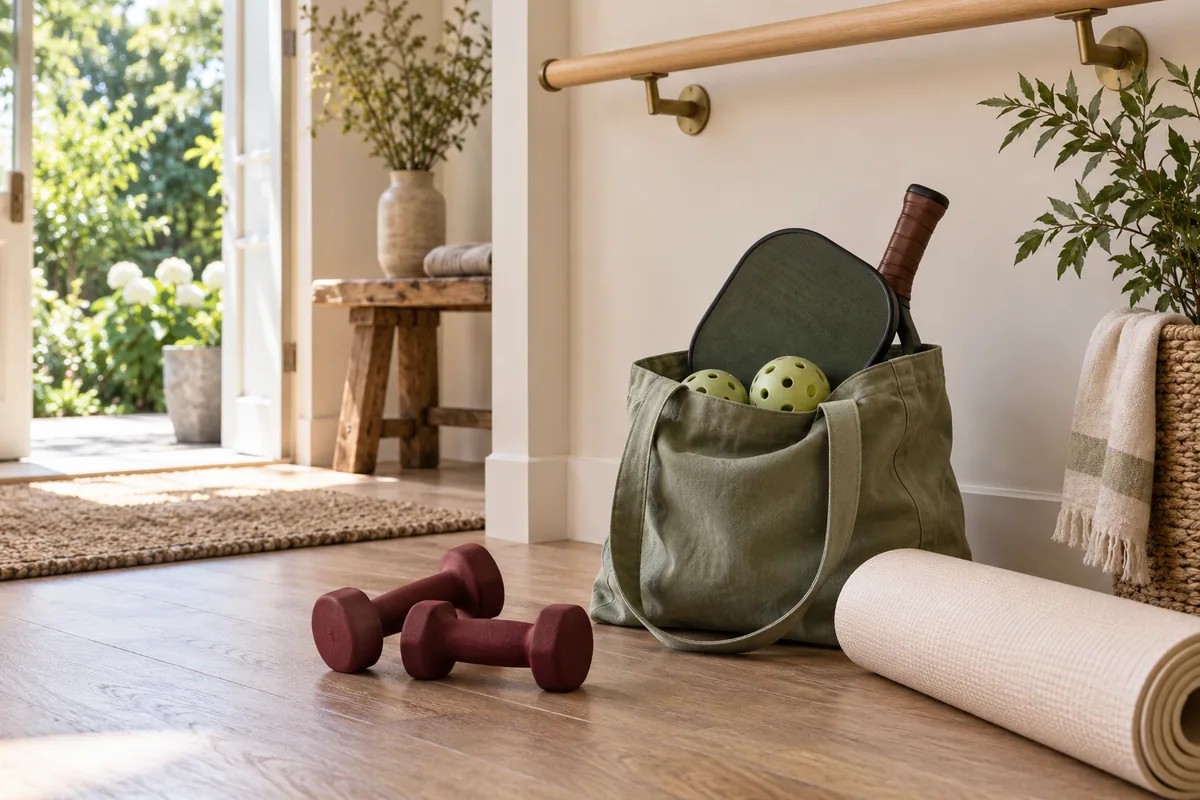
Barre can be part of cross-training if its actual resistance, movement practice and teaching fill a useful gap alongside your sport or hobby. It does not replace golf lessons, court movement practice, ski instruction or changes to a demanding gardening task. There is no established BarrePod program here that promises better scores, fewer injuries or pain-free weekends.
Start with what you already do and the task you want to prepare for. “I want to manage a busy gardening day” is a different goal from “I want a coached strength appointment when I cannot get to the golf course.”
What does cross-training add to your existing activity?
Cross-training means using another activity alongside your main one. Its value depends on the gap it fills. CDC guidance distinguishes aerobic activity from muscle strengthening and recommends working the major muscle groups. Being busy at a hobby does not by itself describe that coverage.
On a small screen, scroll the table sideways to see all columns.
| Your question | What to inspect before adding a class |
|---|---|
| Do I need more resistance work? | Muscle groups trained, loading and progression. |
| Do I need help learning movements? | Demonstration, observation and time for questions. |
| Am I already doing a lot this week? | Duration and effort of sport, exercise and physical chores together. |
| Is a particular movement painful? | Assessment of the problem and guidance relevant to that task. |
The NHS illustrated strength resource shows general home exercises. These are not a sport-conditioning program or a checklist you must complete.
Is barre useful cross-training for golf?
It may provide an enjoyable way to include general strength or movement work, but a barre class should not be sold as a substitute for assessing your swing or developing golf skills. Ask what the class trains rather than assuming that a rotational exercise automatically improves club-head speed.
AOSSM’s golf guidance separates technique, preparation and injury care. It recommends appropriate instruction and attention to swing mechanics. A golf professional can help with the sport; a qualified exercise professional can explain the conditioning work. Persistent pain needs a healthcare conversation rather than another generic “golf core” circuit.
For golf exercises at home after 50, describe your equipment, current resistance experience and any movement restrictions. The home strength guide helps you compare programs without assuming that age selects one routine.
Can barre replace a pickleball workout or warm-up for seniors?
No single general class replaces preparation for the court. Barre may contribute conditioning, while pickleball still requires learning its movement and skills. A class taken on another day is not the same thing as warming up immediately before play.
The AAOS pickleball tips highlight instruction, appropriate court shoes and a warm-up that includes an easy start to hitting. Use that original resource to discuss preparation with your coach; it is not an age-specific follow-along routine. Do not assume a sock-based home class provides the footwear or movement practice needed on court.
If changing direction feels uncertain or an ankle repeatedly gives way, explain that concern before adding more activity. Our ankle and foot guide distinguishes a strengthening goal from recurring instability, while the balance guide addresses broader unsteadiness questions.
Is a home barre class enough preparation for skiing?
Not by itself. Ski preparation includes general conditioning, but also technique, equipment, terrain choices and managing fatigue. A session with repeated thigh work does not test whether you are ready for a full day on snow.
AAOS skiing guidance emphasizes preparation, lessons, suitable equipment and stopping when tired or in pain. Those decisions remain relevant even if a class feels demanding. A ski instructor and an exercise professional answer different parts of the preparation question.
If a trip is approaching, tell your coach the date, recent activity and intended skiing demands. Ask whether the preparation time is realistic. Do not turn a short deadline into an unusually intense burst of classes.
What about exercises for gardeners with back discomfort?
First consider the task as well as your conditioning. Gardening can involve lifting, carrying, reaching and long periods in one position. Adding exercise does not change an awkwardly placed bed or an unnecessarily heavy container.
Mayo Clinic Health System’s gardening guidance describes options such as smaller loads and raised beds. Ask what would make your actual task easier to arrange. A useful planning example is splitting a large delivery into manageable loads or changing working height, rather than trying to compensate with more abdominal exercises.
If back discomfort persists or affects ordinary activities, discuss it with a healthcare professional. This page does not select lower-back rehabilitation exercises or promise that barre treats the cause. The joint and movement guide can help you describe class-position concerns separately.
How can you fit barre around sports and hobbies?
Map a typical week before adding appointments. Include matches, practice, walking, physical work and demanding chores. Mark which days already leave you tired. AAOS safe-exercise guidance supports gradual increases rather than suddenly adding a large workload.
A hypothetical pickleball player has two court sessions and a substantial weekend gardening job. The first question is where a manageable conditioning appointment fits, not how to add a workout every remaining day. Review how the arrangement feels before increasing several activities together. This is a scheduling example, not a prescribed weekly dose.
What should you ask a barre instructor before joining?
Say which hobby matters, what you already do and which class features you want. Ask about resistance progression, floor transitions, observation and how the session can fit your other activity. “Sport-specific” should describe actual teaching and preparation, not just a hobby in the class title.
The planned Barre & Strength and Standing Barre information pages help you compare those features. For a clearer view of off-floor choices, read standing exercises after 50. Choose a class you can use and enjoy, while keeping sport coaching and any rehabilitation needs distinct.
BarrePod classes are being planned; bookings are not open. Explore the format information or join the free waitlist to share class and time preferences. Interest does not reserve a session or establish individual suitability.
Sources
References used in this guide. Individual advice and the format of a particular class may differ.